Sponsored Ads




“Ambition
without
surrendering hospitality.”
Burnaby Mayor Mike Hurley
reflects on his vision for
the city’s future.
The WELCOME
Next Door
Mayor Mike Hurley and the quiet confidence of a
city coming into its own
Story by: Harrison Vander Photos by: Mohammad Alsaber
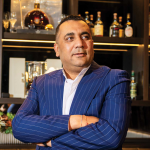
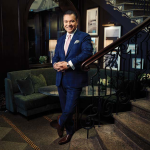
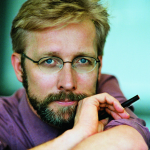
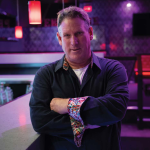
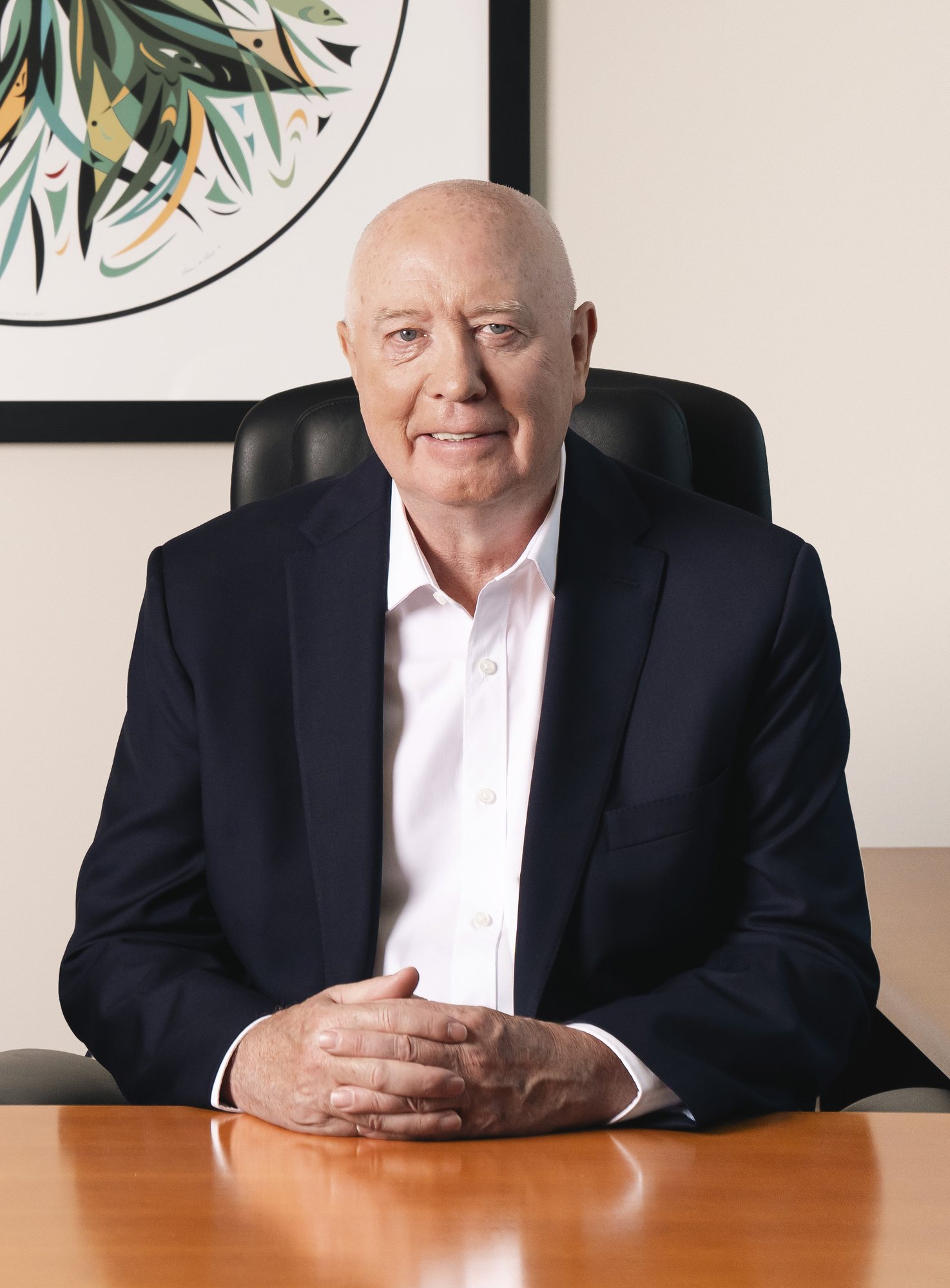
There are politicians who greet you like a constituent, and there are people who greet you like a neighbour. Within moments of meeting Burnaby Mayor Mike Hurley, the distinction felt important. There was no ceremonial distance to our conversation. He was warm, direct and immediately easy to talk to, and what began as a discussion about Burnaby soon moved naturally through Northern Ireland, music, guitars, family, firefighting and soccer.
served as president of both the Burnaby Firefighters Association and the BC Professional Fire Fighters Association before being elected mayor in 2018.
His beginnings were more modest. One of eight children, Hurley remembers a childhood without much money or even a family car. There was farm work, walking, music, sport and the necessity of making your own fun. What remained was resilience and a work ethic, and he is emphatic that he would not trade that childhood. Music still runs through the family. Hurley told me he once played professionally on piano and keyboards, and he also confessed to another enthusiasm: a collection of roughly 26 guitars. Soccer remains part of the story, too. His official biography records that he played at the semi-professional level; today, he jokes that his knees are beginning to have the final say.
It occurred to me that the feeling was, in miniature, exactly what a city hopes to create. If a business leader arriving from overseas, a young family considering a move or an entrepreneur looking for a Canadian home felt the same welcome, they might understand something essential about Burnaby before reading a single planning document. That may be the most useful way to understand Hurley’s Burnaby: ambition without surrendering hospitality.
But it was Burnaby’s green space that first made the city feel like home. Hurley speaks about its parks not as municipal inventory but as part of daily life. Barnet Marine Park is a favourite; some mornings he is there around six, walking beside the inlet. That attachment to the ground beneath the skyline becomes important when he talks about what Burnaby is becoming.
Born in Magherafelt, Northern Ireland, in 1958, Hurley came to Canada in 1983 and moved to Burnaby in 1988, the same year he joined the Burnaby Fire Department. His career there would include technical rescue, hazardous materials work, instruction and leadership roles up to Acting Assistant Chief. He later
“The theory is simple: Burnaby can become bigger without becoming less human.”
For decades, Burnaby has existed beside a neighbour with one of the world’s more recognizable city names. Hurley does not appear troubled by that. “You’ll always be a little bit in Vancouver’s shadow,” he told me. “The world knows Vancouver.” Then came the line that could almost serve as Burnaby’s unofficial invitation: “Vancouver’s the name, but Burnaby’s the place to be.”
Hurley sees the next opportunity in the same practical way he seems to see most things: build on what is already working. Burnaby’s four established urban centres—Metrotown, Brentwood, Lougheed and Edmonds—concentrate growth around transit. The newest Burnaby 2050 plan continues that approach as the city prepares for a population projected to reach roughly 360,000 by mid-century. The theory is simple: Burnaby can become bigger without becoming less human. The difficult part is proving it can be done.
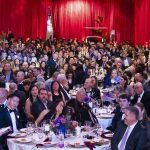
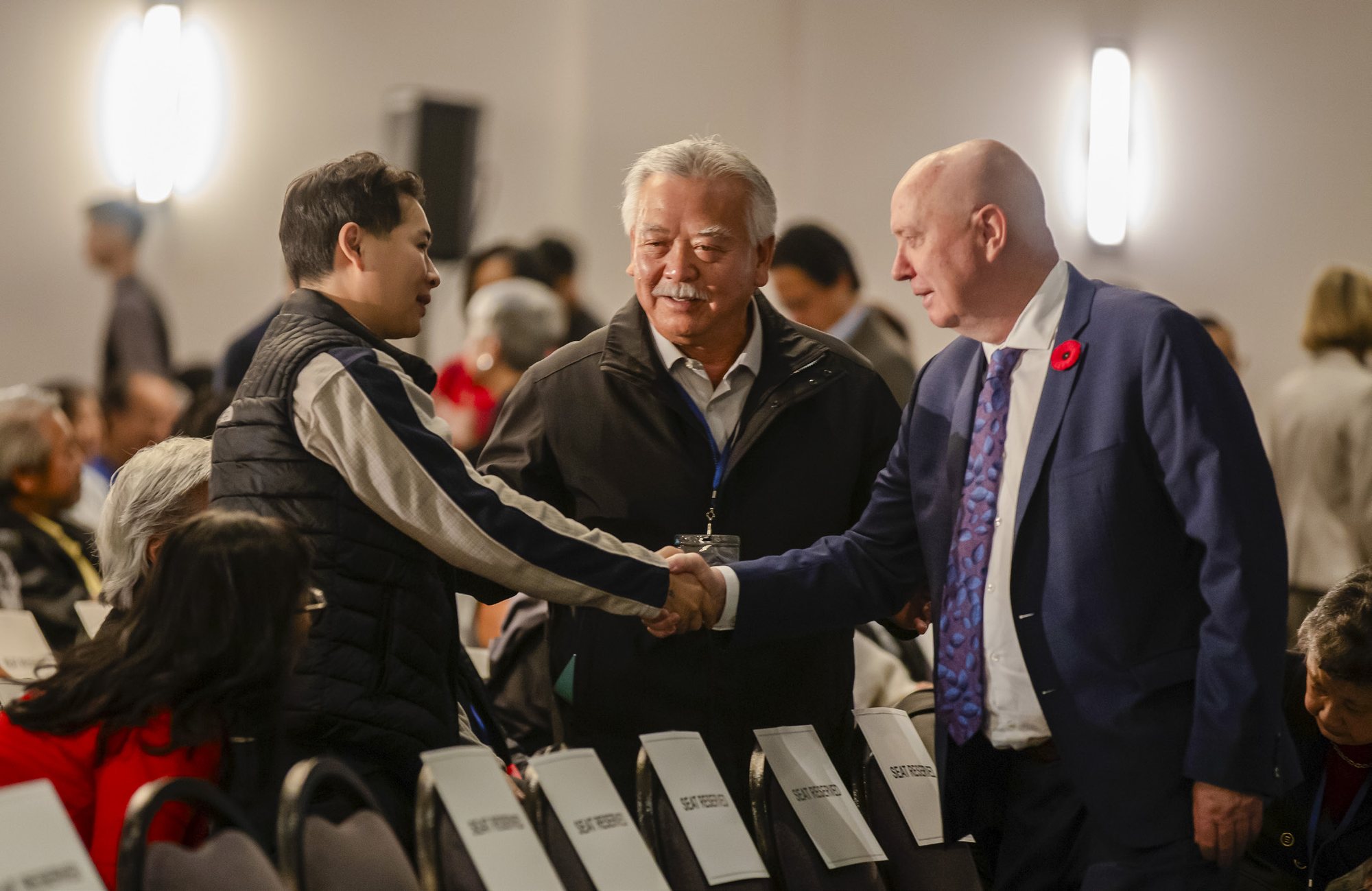
Attendees at a 2025 event addressing historic discrimination.
The argument behind the line is increasingly tangible. Burnaby sits at the geographic heart of the Lower Mainland, served by major transit routes and anchored by Simon Fraser University and BCIT. Its economy includes significant concentrations in technology, life sciences, clean technology, digital media and film. In 2026, the City moved ahead with recommendations from its Task Force on Economic Growth and Resilience, including exploration of an innovation district intended to strengthen Burnaby’s high-tech and health sciences sectors.
For Hurley, that test begins close to the ground. As Burnaby becomes denser and homes become smaller, he believes public space becomes more important, not less. Parks, trails, recreation facilities and places to gather are not decorative additions to a growing city; they are part of what allows people to feel that they belong to it.
Sponsored Ads





The Christine Sinclair Community Centre is a useful example. The City purchased the former Fortius Sport & Health property for $26 million in 2021 and renamed the 146,000-square-foot facility for Burnabyborn soccer icon Christine Sinclair. What had been conceived largely around high-performance sport became a busy public recreation centre. Now the surrounding Burnaby Lake sports precinct is growing again. The new Burnaby Lake Recreation Centre is being built with a 10-lane, 50-metre competition pool, a second 25-metre pool and an NHL-sized arena, complementing the existing sports facilities nearby. Hurley sees the broader district becoming a destination for competition as well as community recreation.
can build now that will still matter long after the ribbon-cutting photographs have disappeared.
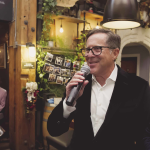
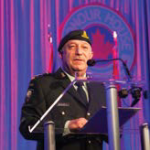
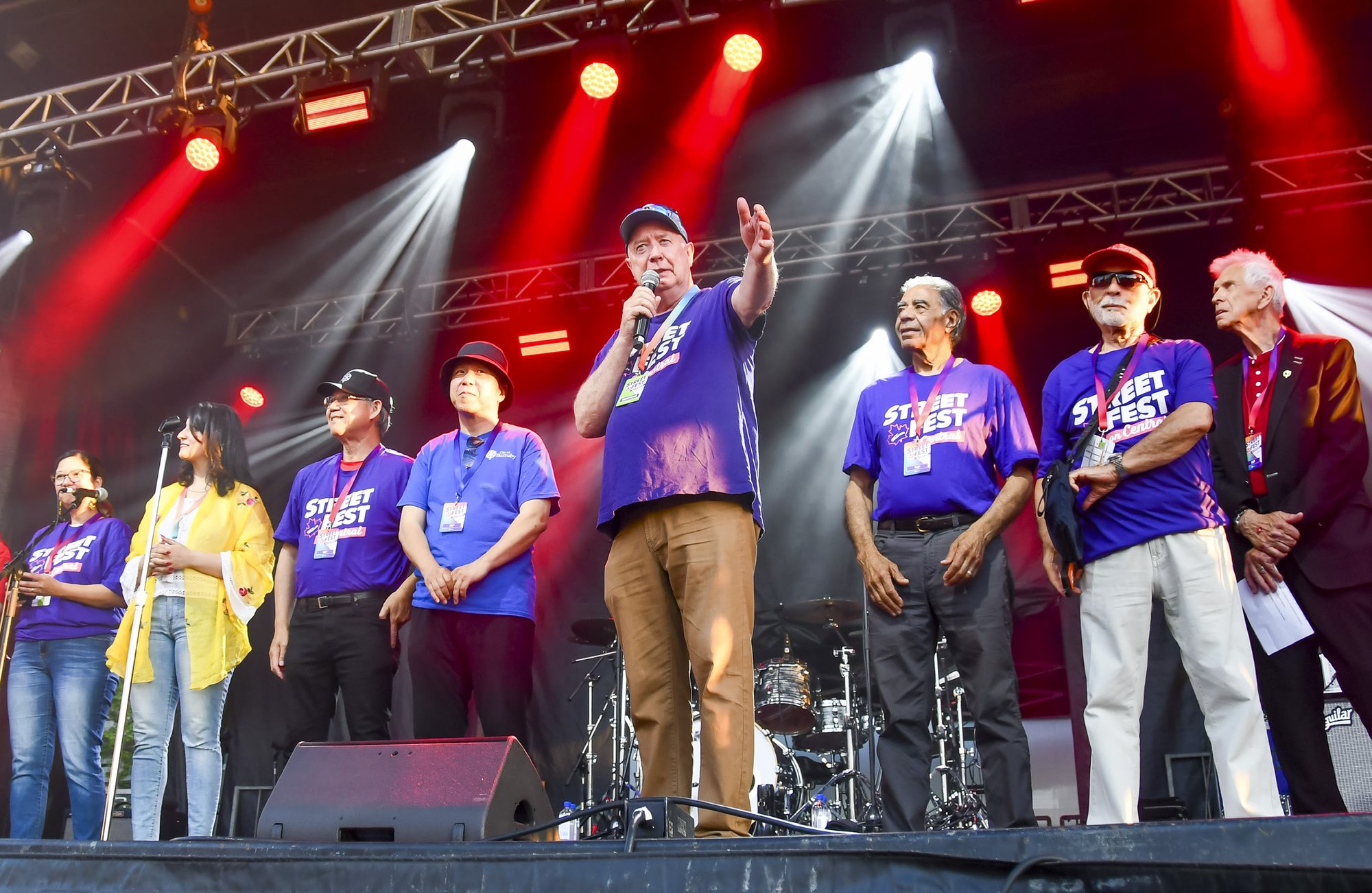
Community representatives
take the stage
at Burnaby’s 2025 StreetFest celebration.
That long view collides daily with immediate pressures: rapid population growth, housing demands, changing provincial rules, industrial activity, climate risk and the expectations of residents who want the city they love to remain recognizable. Here Hurley’s years in the fire service become more than biography. When a fire officer arrives at an emergency, he explained, everything can be happening at once. The leader’s job is not to be consumed by what is directly in front of him, but to step back, assess the larger picture, protect people and make a decision that will still make sense after the urgency has passed. “That has taught me a lot not to overreact too soon,” he said.
Even the former lodge space at the Sinclair centre is being brought back into service. In 2026, the City approved conversion of its 56 rooms into a city-run hotel intended in part to accommodate visiting sports teams and organizations. It is ambitious civic building, but Hurley tends to describe it in practical terms: facilities designed to serve generations. The emphasis is less on monument-making than on usefulness—what a city
That instinct followed him into labour relations, where he preferred mediation to unnecessary confrontation. The parties, after all, still had to work together when the argument ended. It follows him now into City Hall, and it gives particular weight to his enthusiasm for Burnaby’s new wildfire-detection system.
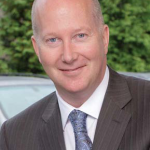
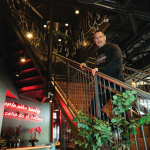
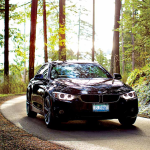
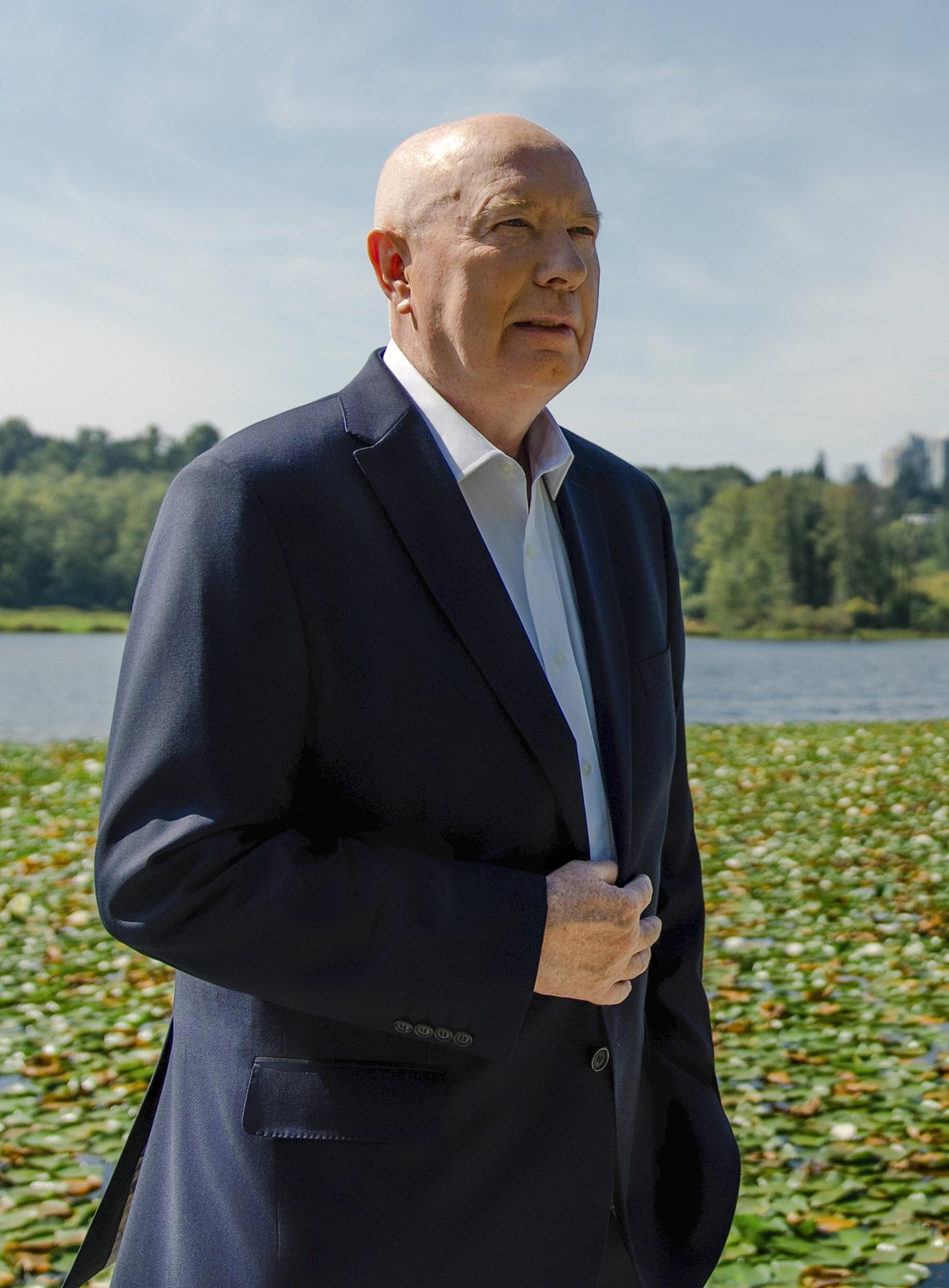
Mayor Mike Hurley beside a lake in Burnaby, a city whose green spaces he
considers central to its identity.
During our conversation, Hurley became animated describing sensors on Burnaby Mountain and cameras watching for the earliest sign of smoke. The final system, activated in May 2026, uses 45 ground sensors and five smoke-detection cameras, with devices positioned around forested areas and high-consequence locations, including the urban-wildland interface near Simon Fraser University and the Trans Mountain Tank Farm. The technology can identify heat and smoke in near real time and alert the Burnaby Fire Department before a small incident has the chance to become something much larger.
from civic construction to a joke about being photographed beside exceptionally tall athletes. That informality may reveal as much about his approach to leadership as any formal statement. His “Walk and Chat with the Mayor,” now in its eighth year, was created for much the same reason: not everyone is comfortable walking into City Hall, so sometimes City Hall should walk out to meet them.
Burnaby’s business community reflects that same emphasis on connection. The Burnaby Board of Trade, which also serves as the City’s official economic-development office, reports more than 1,100 members. Hurley believes entrepreneurs
“[Fire service] has taught me a lot not to overreact too soon.”
For Hurley, this was not a passing policy point. He spoke about how dry the mountain can become and called interface fires—where wildland meets homes and infrastructure—frightening. His concern is informed by experience: he told me he had been in Fort McMurray and in Kelowna during the devastating 2003 fire season through his firefighting and union work. The City’s system has already demonstrated its value. In May, it detected a fire near local businesses before the first public call came in, giving crews an early warning. Burnaby is also working with SFU wildfire researchers on real-time weather and soil monitoring as the City prepares for a full-scale Burnaby Mountain emergency exercise in 2027.
and established businesses alike benefit from a community willing to exchange ideas and help one another move forward. In that sense, what he imagines for Burnaby is not principally a skyline. It is what exists between the buildings: opportunity, education, parks, recreation, businesses and places where people encounter one another.
When I left, I kept returning to that first impression—the immediate welcome. Cities spend enormous sums defining their brands. They commission strategies and slogans intended to tell the world what kind of place they are. Sometimes the more persuasive definition is simpler: it is how a place makes you feel when you arrive.
Hurley sees the technology as something Burnaby can extend into other vulnerable green spaces. In our conversation, he specifically mentioned Central Park and Robert Burnaby Park as places he would like protected as the system expands. “I think it’s only the way of the future,” he said. Coming from a mayor who spent three decades as a firefighter, the comment carried less the tone of technological enthusiasm than of hard-earned caution: when fire is the threat, minutes matter.
Hurley came to Burnaby nearly four decades ago and found green space, opportunity and community. He stayed, served it as a firefighter, represented firefighters as a labour leader and eventually became its mayor. The skyline will continue to change. The population will grow. New industries will arrive. The promise beneath Hurley’s vision is that Burnaby can welcome all of that without becoming anonymous—that the parks will remain close, opportunity will remain within reach, and whether someone arrives from across the street or across the world, the city will still know how to make them feel at home. T
Yet our conversation rarely felt like a policy briefing. Hurley moved easily from economic development to rowing, from wildfire preparedness to family,