Sponsored Ads



“Vancouver’s
strongest luxury may be something money cannot easily manufacture: space, privacy, stability and extraordinary geography.”
The VALUE of
VANCOUVER
The Attraction and the Hesitation
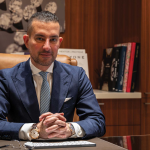
Story by: Harlen Admiree Photos by: Mohammad Alsaber
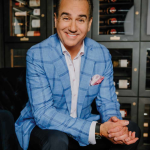
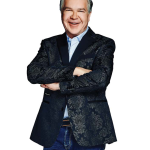
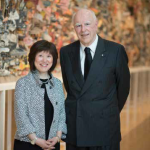
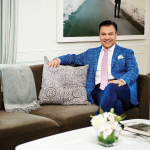
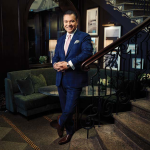
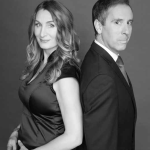
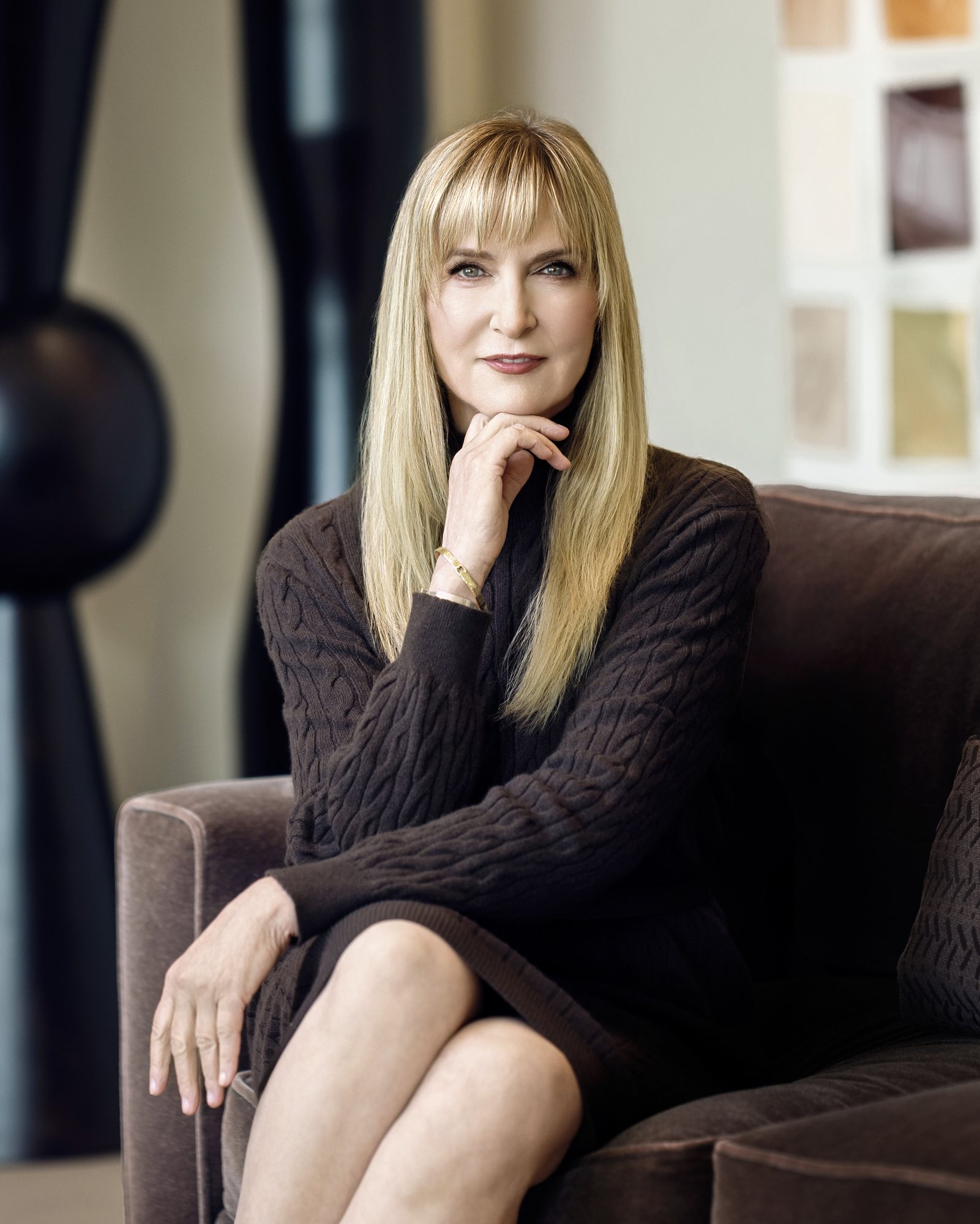
Faith Wilson has spent more than three decades watching fortunes move through Vancouver real estate. Now, as the world’s wealthy reconsider what luxury means, she sees both an opportunity for the city—and a warning.
Vancouver’s strongest luxury may be something money cannot easily manufacture: space, privacy, stability and extraordinary geography.
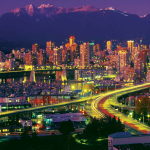
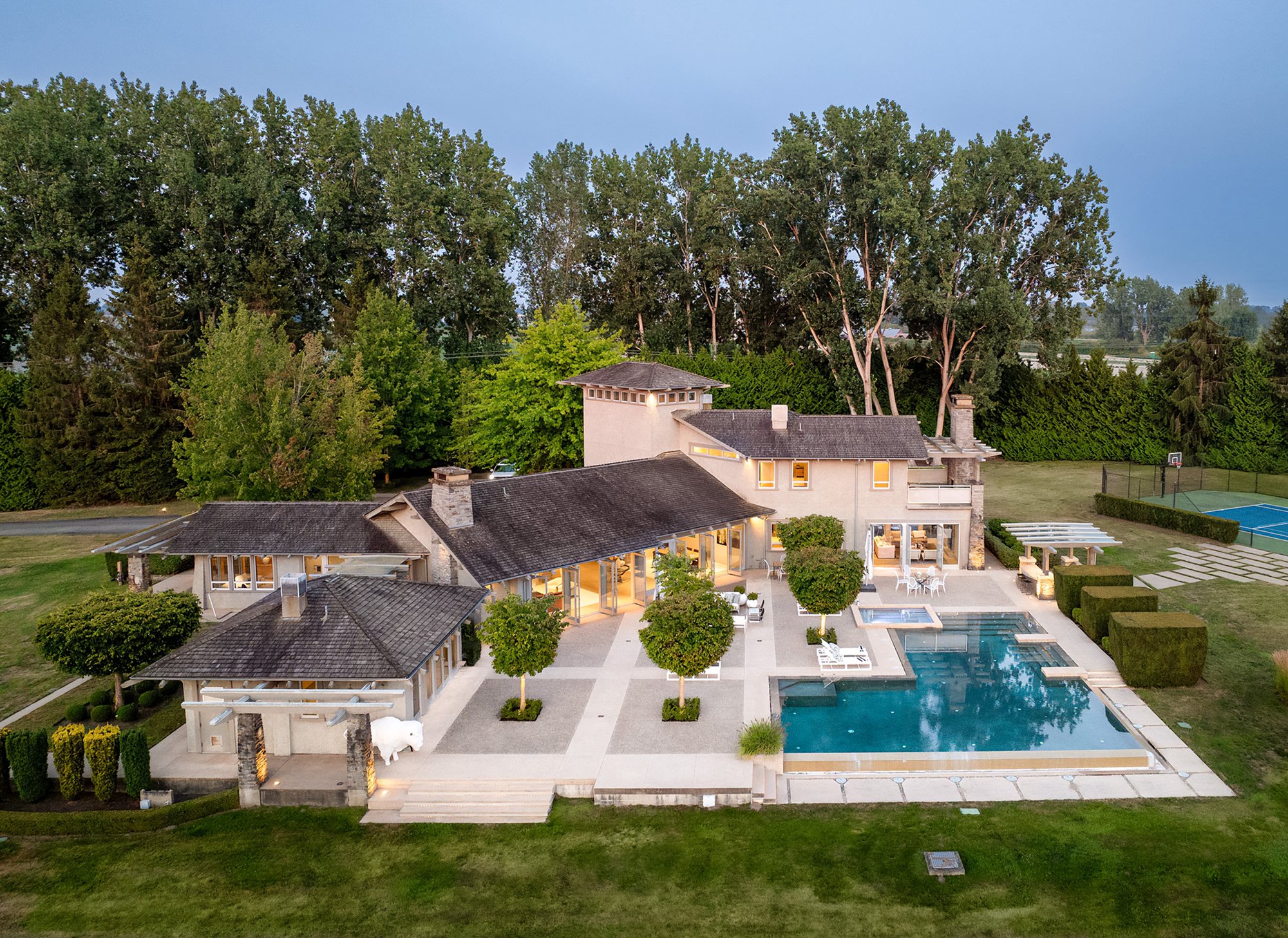
There aren’t many important international cities where someone can own a substantial waterfront residence, reach an international airport quickly, maintain business connections across the Pacific, ski in the mountains and sail the coast while remaining part of a sophisticated metropolitan environment. Nor is Vancouver luxury confined to towers and penthouses. West Vancouver estates, substantial residences on Vancouver’s West Side, Southlands acreage and private properties elsewhere in the Lower Mainland offer something increasingly difficult to find in major world cities: privacy without isolation.
For much of its modern history, Vancouver luxury real estate could be sold with a simple proposition: buy into one of the world’s most beautiful and geographically constrained cities and let scarcity do the rest. Faith Wilson believes that proposition is changing. After more than three decades selling Vancouver homes, including some of British Columbia’s most exceptional properties, she has watched fortunes arrive, prices soar, governments intervene and buyers retreat. Yet she remains confident about Vancouver because what wealthy buyers increasingly want looks remarkably like what the city has been offering all along.
Vancouver is no longer a place where buyers feel they have to decide before somebody else does. Sales have slowed, there are considerably more properties to choose from, and prices—particularly for detached homes—have softened. In August, fewer than 1,900 homes changed hands across Metro Vancouver, well below what would normally be expected for that time of year. For buyers at the upper end, that changes the conversation. People can compare, negotiate and walk away. After years when Vancouver buyers sometimes competed simply for the privilege of competing, they have regained something remarkably valuable: time.
Luxury is still about beautiful homes, extraordinary locations and owning something few others can afford. Increasingly, wealth is also looking for sanctuary: privacy, security, space, wellness, stability and access to nature. These have joined architecture, address and square footage in defining an exceptional property. Wilson has long viewed Vancouver’s attraction in similarly practical terms: mountains, ocean, forests and clean air combined with good schools, restaurants, cultural diversity, business infrastructure and an international airport.
A buyer arriving with U.S. dollars, pounds or euros may see Vancouver prices differently from a Canadian earning and investing in Canadian dollars. For someone who believes in the city over a 10- or 20-year horizon, the opportunity may be less about finding a bargain than acquiring an exceptional property without having to fight for it.
also governments, taxation and the welcome—or lack of it—that accompanies their investment.
The world’s wealthy are no longer simply comparing houses. They are comparing jurisdictions.
Taxes are only part of the issue. Sophisticated wealth can accommodate substantial transaction costs; what it dislikes is uncertainty. An international family considering significant capital in Vancouver wants to understand how Canada regards that investment today and have some confidence about how it will regard it five or 10 years from now. That creates Vancouver’s luxury contradiction: the city increasingly possesses many qualities international wealth is searching for, while public policy can make establishing a foothold more complicated and expensive.
Wilson’s career has been spent at the upper end of a business where price alone seldom explains a decision. She understands that a beautiful house is not necessarily the right house and that wealthy clients have the ability to walk away. The objective is to understand what the buyer values and whether the property delivers it.
The opportunity today is not necessarily to buy Vancouver cheaply. It is to buy something exceptional without having to fight for it.
At the top of the market, liquidity matters. The pool of people capable of buying a $10-million or $20-million residence is small, and anyone considering such a purchase has to think not only about buying it, but eventually selling it.
There is an uncomfortable contradiction at the centre of Vancouver’s international appeal: Canada has made ownership more difficult for some
“The opportunity today is not necessarily to buy Vancouver cheaply.
It is to buy something exceptional without having to fight for it.”
globally mobile people Vancouver might otherwise attract. Federal restrictions on certain residential purchases by non-Canadians, British Columbia’s additional property transfer tax for foreign buyers in designated areas, vacancy taxes and Vancouver’s Empty Homes Tax have all changed the calculation. A foreign purchaser buying a $10-million Metro Vancouver property, for example, can face a 20 percent additional provincial property transfer tax—$2 million—before ordinary taxes and costs.
Restrict the international pool too severely and that becomes a more serious consideration.
Wilson’s experience through repeated Vancouver cycles provides the counterargument. The city’s strongest proposition was never simply that prices would perpetually rise. Its more durable value lies in scarcity. The ocean cannot be extended, the mountains cannot be moved and there is only so much land between them. Add international connectivity, political stability, education, culture, restaurants and a temperate climate, and Vancouver retains qualities that cannot be reproduced by building another luxury condominium tower elsewhere.
An international buyer looking at Vancouver is not necessarily deciding between Vancouver and Toronto. Someone with the means to own a $10-million or $20-million home may also be looking at Switzerland, Monaco, Singapore, the Bahamas, the Cayman Islands, Portugal, Italy or the United Arab Emirates. They are comparing lifestyles and properties, but
The softer market may therefore be forcing a healthier conversation. Instead of asking how quickly a property will appreciate, buyers can ask whether it is something they genuinely want to own. Canadian citizens and permanent residents buying
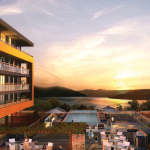
12831 No. 4 Road, Richmond Available for purchase. Call 604.813.3656
“The world’s wealthy are no longer simply comparing houses. They are comparing jurisdictions.”
a principal family residence avoid many barriers confronting foreign purchasers. International buyers who qualify can find something often missing from Vancouver’s hottest years: patience, selection and negotiating power. The question is not whether Vancouver remains an attractive place to live. It is whether Canada also wants it to remain an attractive place for global capital to invest.
“I worked hard. I worked all the time. But it didn’t feel like work.” — Faith Wilson
Away from the listings, negotiations and clients, her life sounds reassuringly ordinary. There are friends and family, a dog to walk and something simple to cook for dinner. In the early days, when difficult encounters bothered her, she discovered another habit. She would write the uncomfortable email, put everything she wanted to say into it—and then not send it. Writing it down, she says, provided its own closure.
Wilson provides a surprisingly human counterpoint to talk of international money. She is less the archetype of the luxury real estate mogul than one might expect. She is curious, quick to laugh and allows a conversation to wander before bringing it back to the point. She remembers people and encounters from decades ago and speaks about her career without trying to make it sound grander than it was. “I’ve just really enjoyed this career,” she says. She remembers working constantly when she began—real estate, in her view, requires a 24/7 mentality—but says: “It didn’t feel like work.”
Perhaps that reflects more than three decades in a business famous for its highs and lows. Markets change, governments rewrite rules, buyers come and go and fortunes cross borders. The houses can be worth millions, but eventually the numbers and negotiations give way to something simpler. A house may be an asset, Vancouver an investment proposition and a changing market an opportunity. But in the end, somebody has to want to come home. T
To learn more, visit faithwilson.com.
Sponsored Ads