Sponsored Ads




What a Difference
the Decades Make
From Expo 86 to the World Cup: Vancouver changed more than any other city in Canada. So what’s next?
Story by: Aaron Chapman
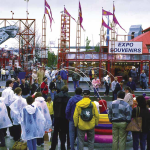
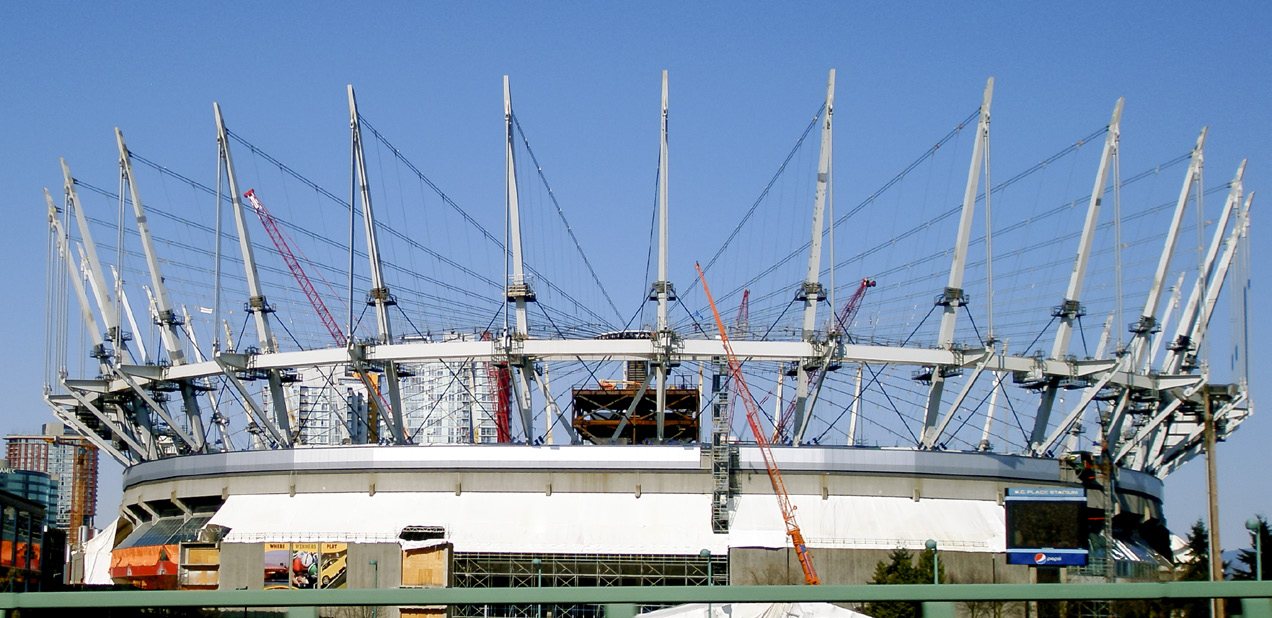
Forty years… From the World’s Fair of Expo 86, to 40 years later with the 2026 FIFA World Cup—it’s stunning to look back at how far Vancouver has come during that time. We may never witness that same level of growth and change again.
By 1986, the city had yet to really show its potential, or seemingly its destiny. It certainly wasn’t fathomable back then that Vancouver would or could host a FIFA World Cup. World Cup competitions were left to far-off exotic ports of call like Rome, Paris, London, Berlin, Buenos Aires and Rio de Janeiro. Not what was, in 1979, infamously called in ABC’s Wide World of Sports television broadcast during the New York Cosmos vs. Vancouver Whitecaps national soccer league championship match, the “Village of Vancouver.” Though with the Whitecaps win that day, some of us might have been dreaming about it.
As a Vancouver historian who has written numerous books about how the city has changed over the years, I spend too much time debating with those who stridently insist that, “Vancouver was better before Expo 86,” as well as perhaps the myth that, “We invited the world and they never left!” While we might have enjoyed being a “best kept secret,” some of that growth and change that was in fact already happening in the 1970s foreshadowed that Vancouver was destined to greater prominence. We were just the last to know it.
While we can immediately regard the cost of living was certainly more attractive compared to today, there was much to dislike about “old Vancouver,” much of which we seem to have forgotten with a prescription of rose-coloured-glasses. While we did certainly not manage the growth of the city over the years as judiciously as we could have—resulting in some of the issues of housing and affordability we undeniably deal with today—we might look back and instead see it as a time when Vancouver thankfully matured.
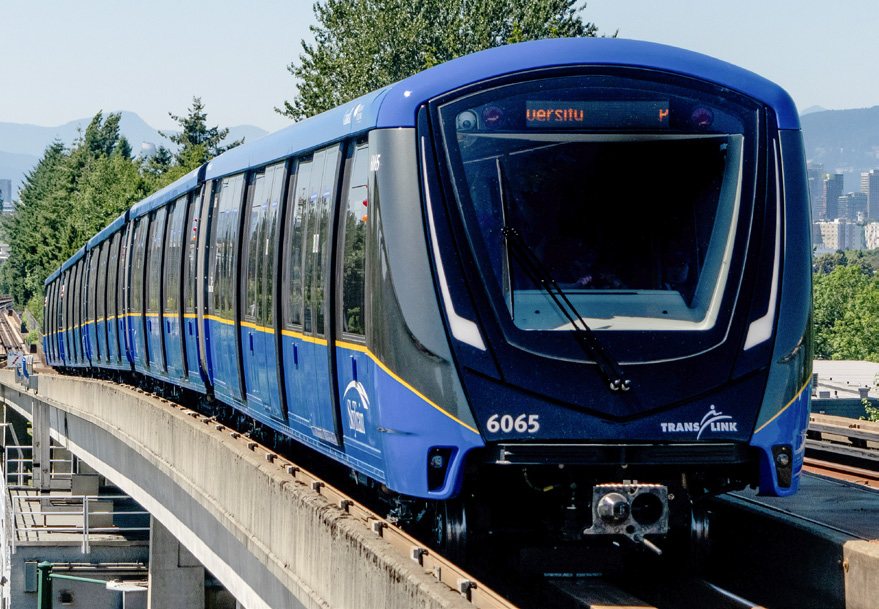
Of the many unquestionable improvements, our public transportation is better today. The Skytrain—infrastructure that was ushered in by Expo 86—brought greater interconnections and liveability in the wider city as a whole.
A more interesting question might ask, would we really want to go back to what Vancouver was like prior to 1986?
Crime issues have most surprisingly changed for the better. While we now deal with serious problems of street disorder once confined to areas like East Hastings, would any of us like to go back to the late 1970s, when sex workers caused disruption day and night for years in barricaded streets on the West End? And in those years, the homicide was double on average what it is today, with remarkably more murders in that same neighbourhood than there were in the Downtown Eastside.
Even our food scene is better. While people look back with nostalgia on some old Vancouver restaurants like the Aristocratic, or The Only—it was diner food. Fine dining was much more scarce in old Vancouver. Immigration brought new flavours and chefs. Merely through the lens of what we eat, you can witness how the city has matured with a local culinary industry that now earns Michelin stars.
And do any of us wish to go back to the days of No Sunday Shopping? When if you cared for a beer on the Sabbath, it required driving across the border down to Breakers bar in Point Roberts, Washington (likely leaving many to drive drunk back home!) The provincial liquor laws would thankfully change with the advent of Expo 86, when those in the hospitality business predicted that visiting global tourists looking to enjoy a civilized glass of wine in the afternoon would find our quaint Sunday “dry laws” old-fashioned and puritan to the point of embarrassed laughter.
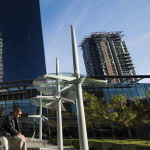
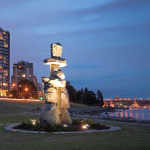
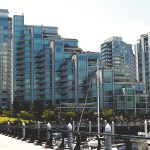
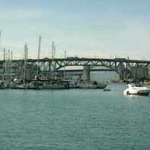
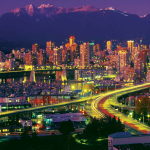
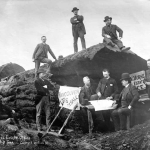
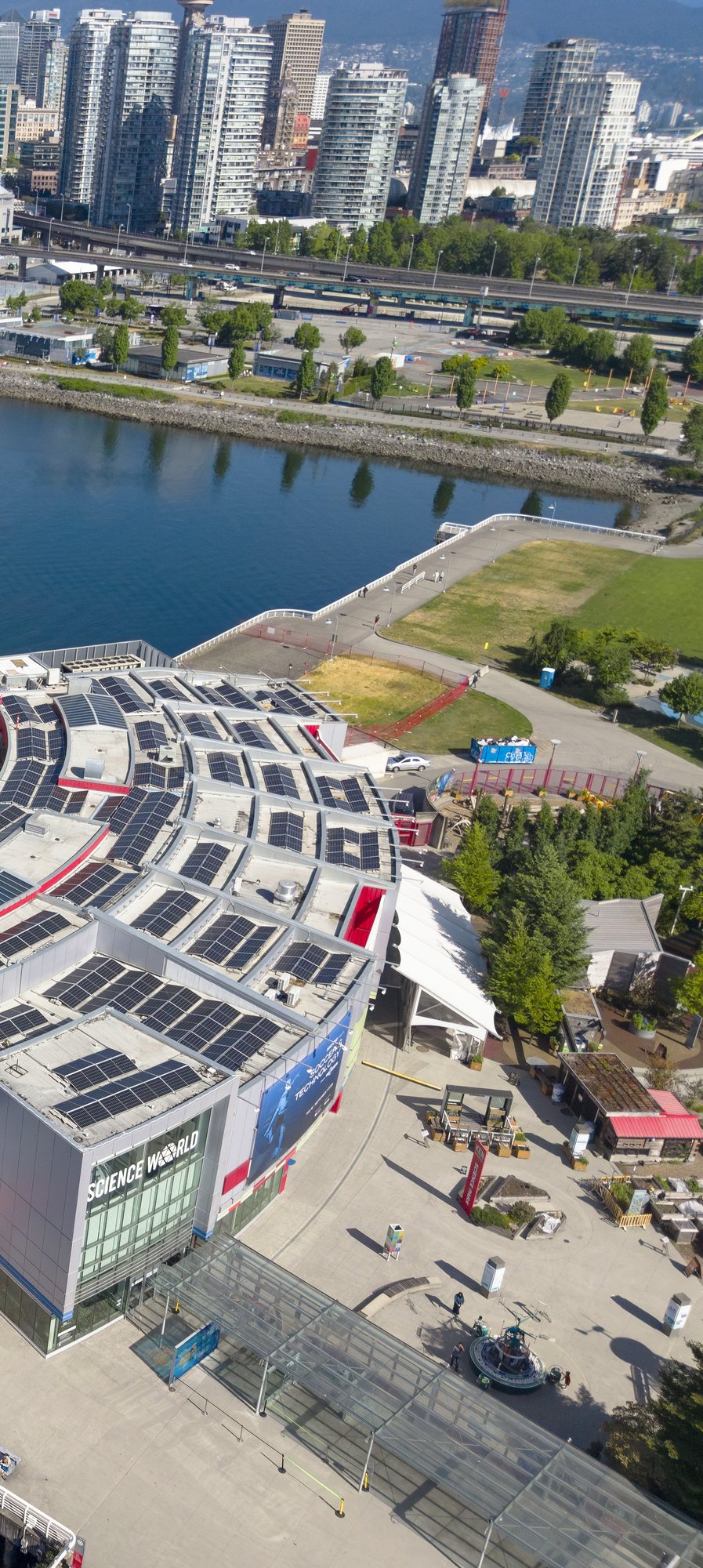
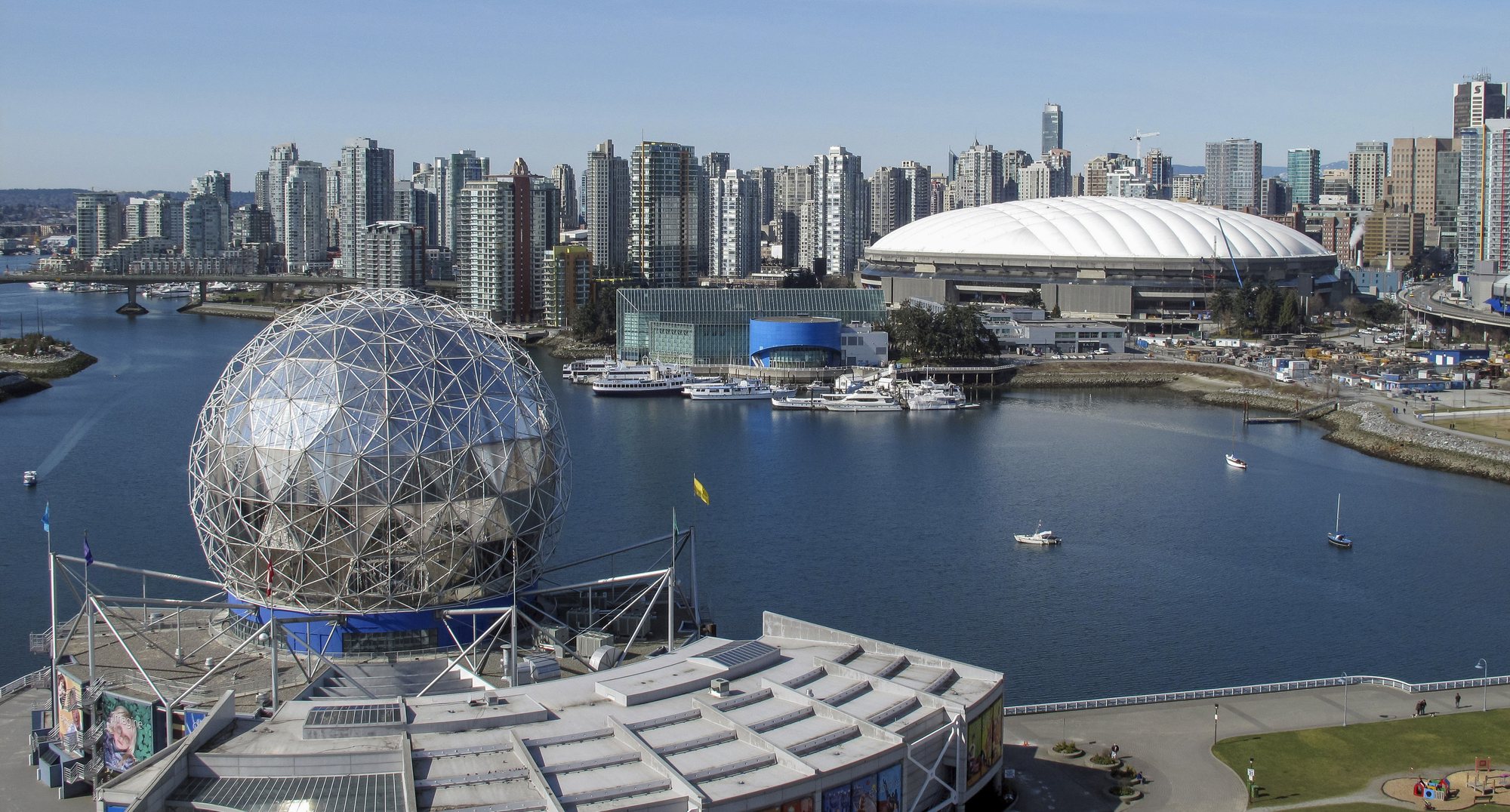
False Creek was long past its boom time by the 1970s. Many industrial companies had abandoned or ceased operations there. It had become a rusted wasteland. Years of environmental abuse had even left the waters of False Creek grimly toxic. Dead harbour seals regularly coughed up between the log booms. Today, a stroll around the False Creek seawall, even on a rainy day, makes for—beyond compare—a more pleasant experience than it was half a century ago. The area is now cited as a global model of urban planning that even the odd whale swims in, to have a look around.
Sponsored Ads





There were certainly naysayers, complainers and sky-will-fall critics who said over the years none of these big events should happen. Before the gates ever opened, Expo 86 had strong critics. And to be fair, even in its largely regarded successful wake, the notion that staging any big to-do in Vancouver would be a guaranteed success just wasn’t the case. There were lots of unfortunate examples.
The Vancouver Indy—which ran in the 1990s around the former site of the Expo lands—ended ignominiously in 2004, when the sponsorship ran out in a cacophony of noise complaints from the surrounding neighbourhood. An effort to bring car racing back in 2022 with Formula E Grand Prix had pre-sold 33,000 tickets before it was cancelled, because the promoter failed to do due-diligence and secure the necessary permits to run the race itself.
Even big-time concert events like the Pemberton and Squamish Valley Music Festivals which brought global acts—like Drake, Pearl Jam, Tom Petty and Jay-Z—were cancelled after the organizers could no longer abide substantial annual losses. For all our talk of a “global city,” was Vancouver simply too “small time” to really be considered as such?
And then there was another question: Vancouver’s seemingly nasty tendency towards anarchy in the streets. Two Stanley Cup riots fuelled naysayers further that we should avoid potential trouble altogether, and let some other city handle it. The best place for a party is someone else’s place.
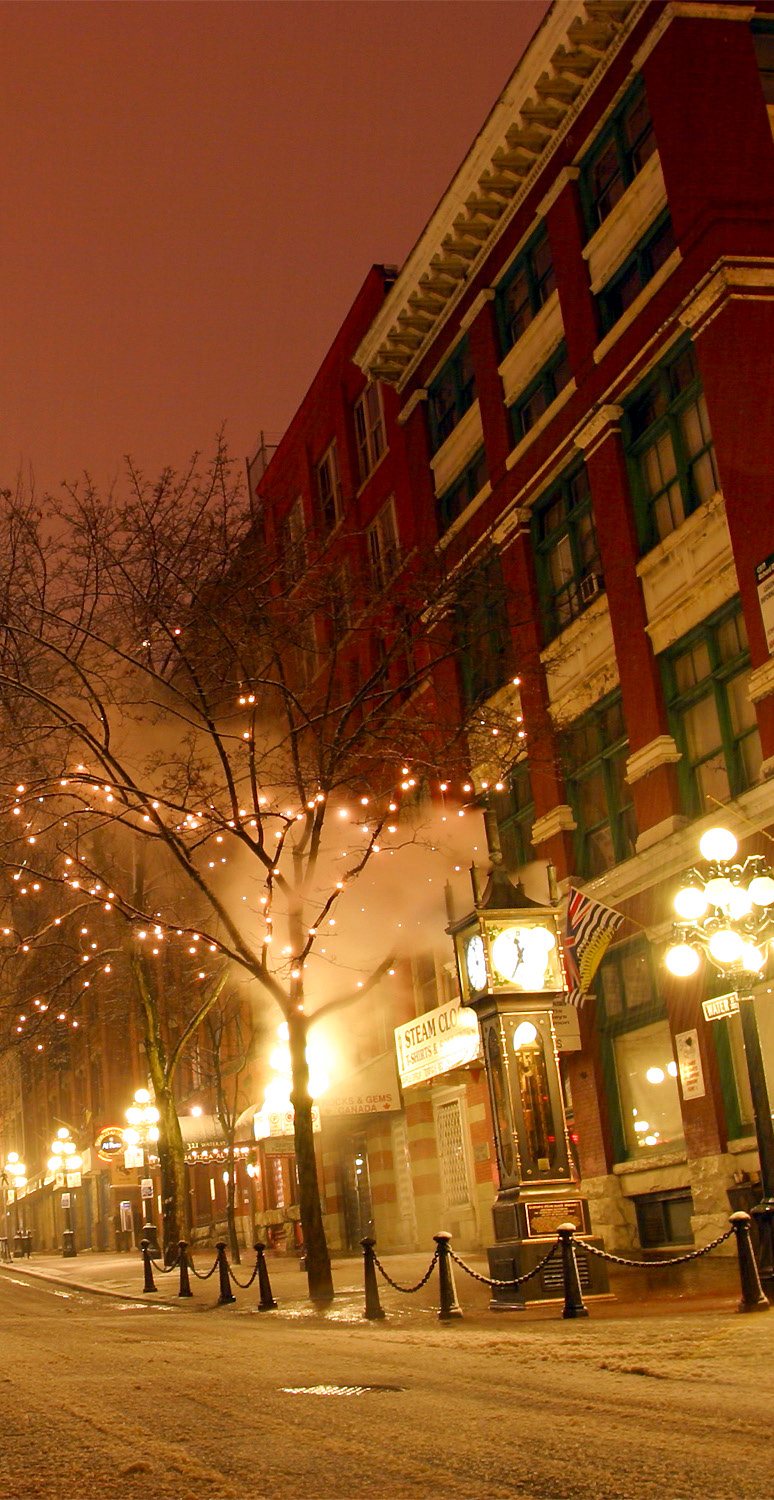
Vancouver admittedly has had a surprising number of mass public disturbances in its young history. From anti-Asian riots in 1907; not one—but two—Grey Cup riots in the 1960s; the Gastown Riot in 1971; and concerts that ended on a sour note, with the Rolling Stones in 1972 and Guns N’ Roses in 2002. Though, it’s interesting that mostly all the riots have happened in the spring and summer months—perhaps further illustrating the citizens of Vancouver’s relationship with weather. Had it rained on any of those events, maybe everyone would have just shuffled home?
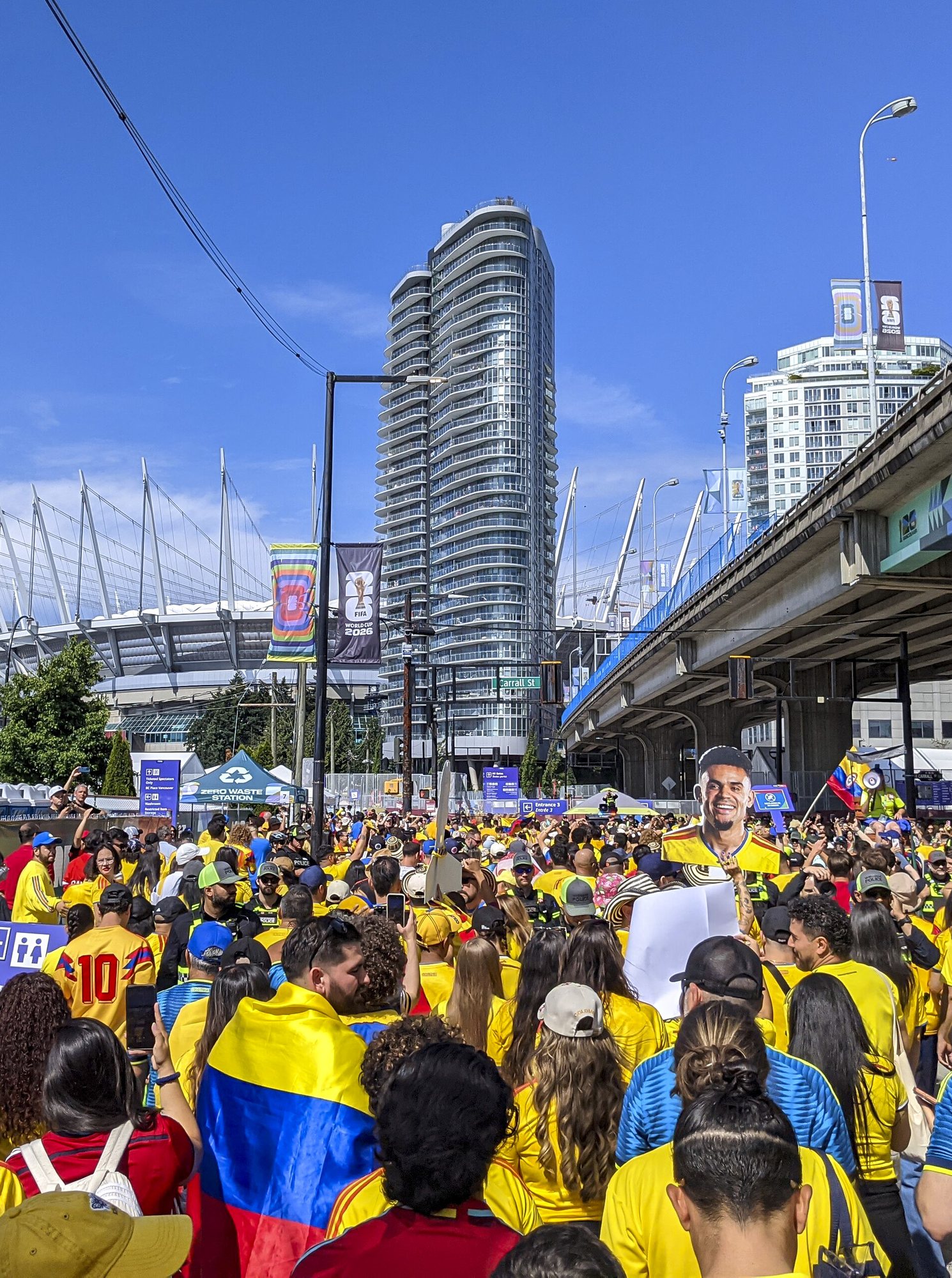
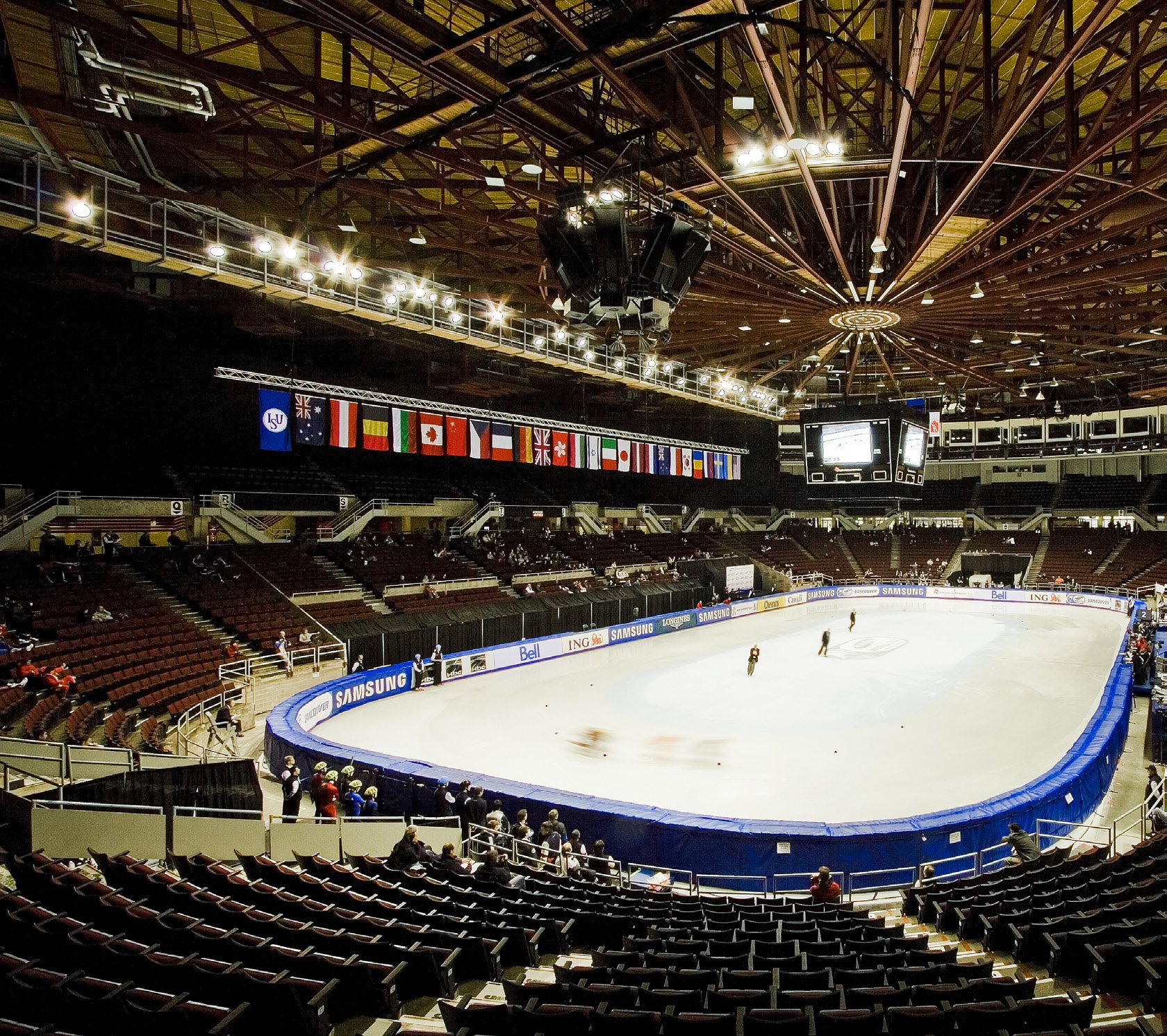
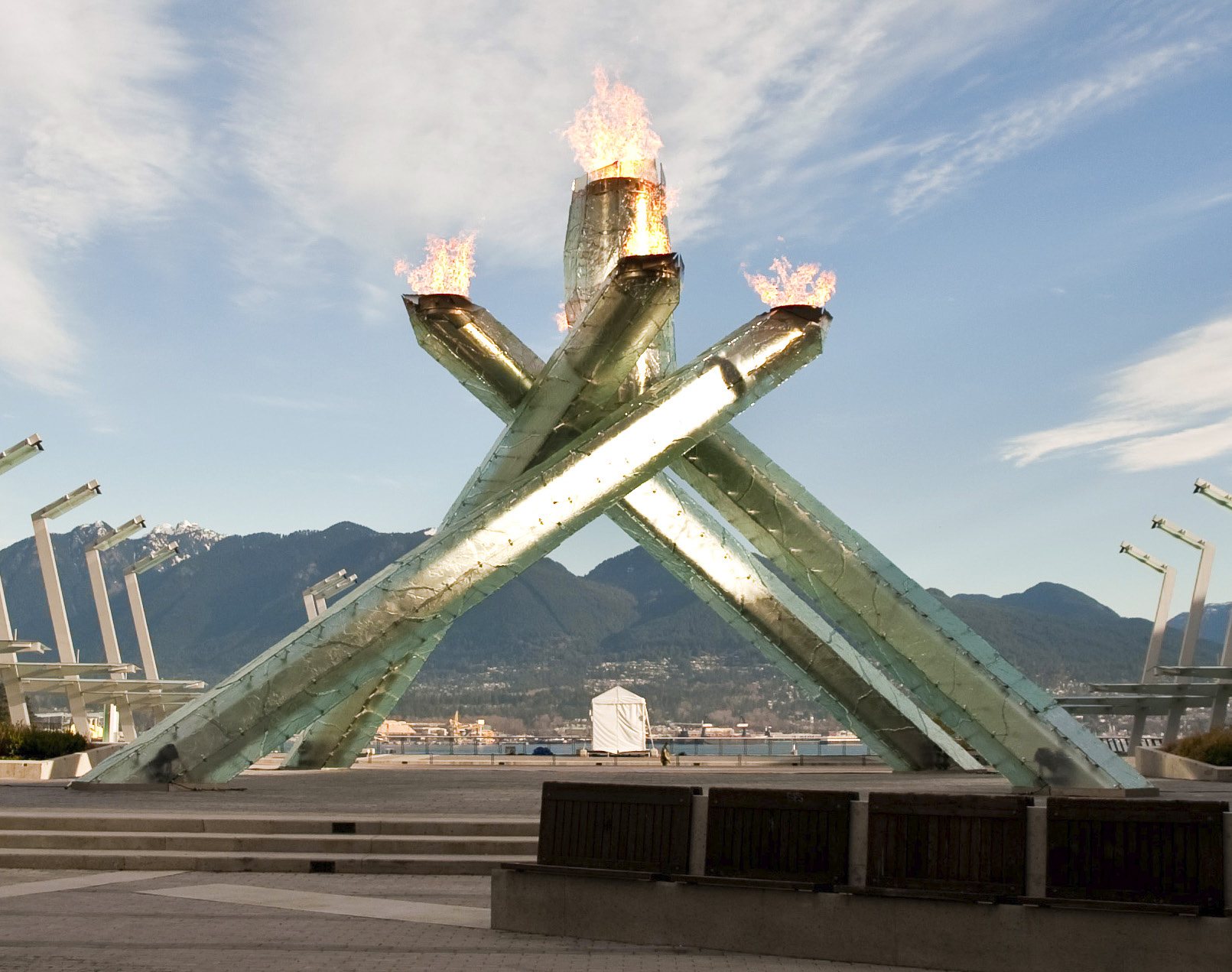
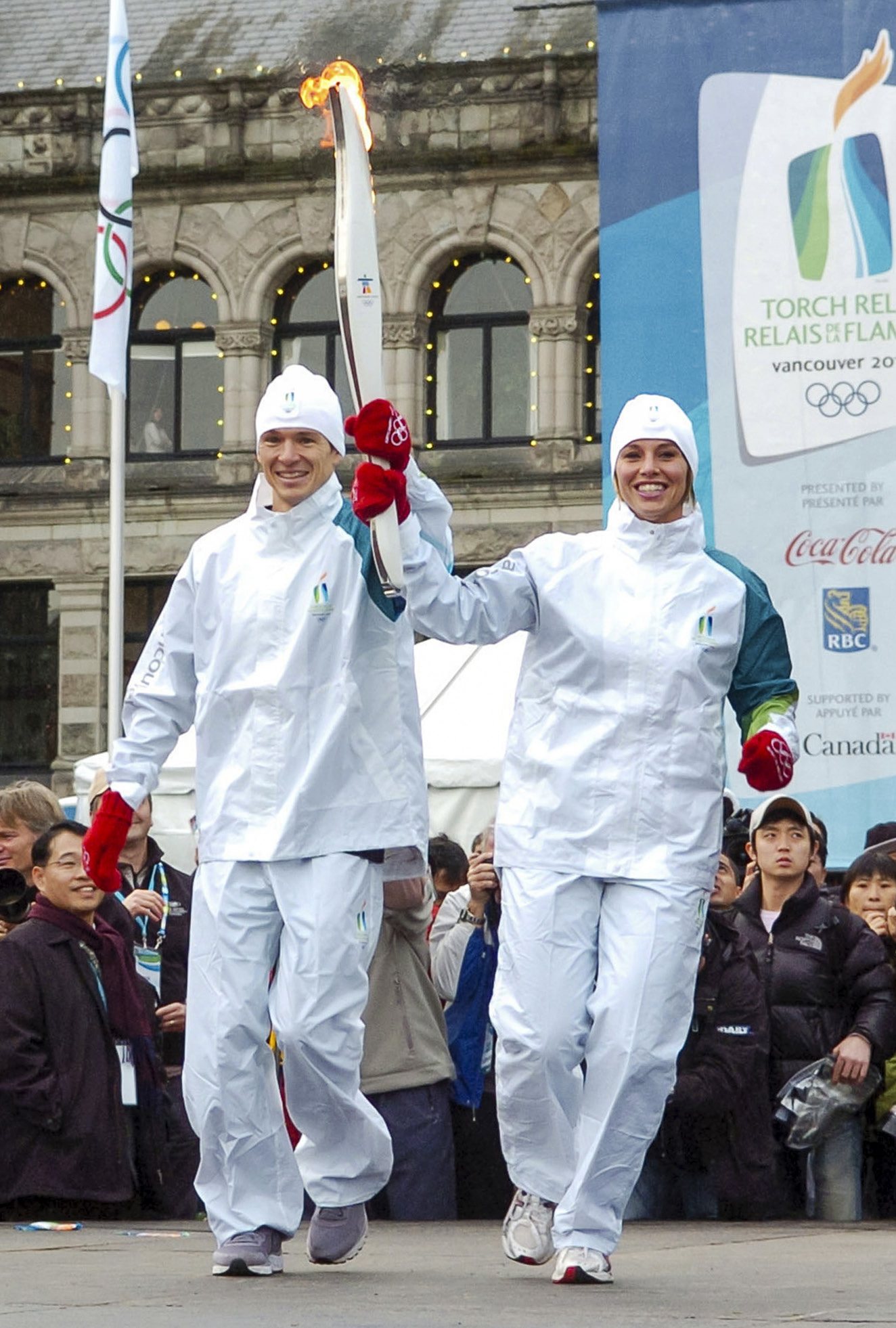
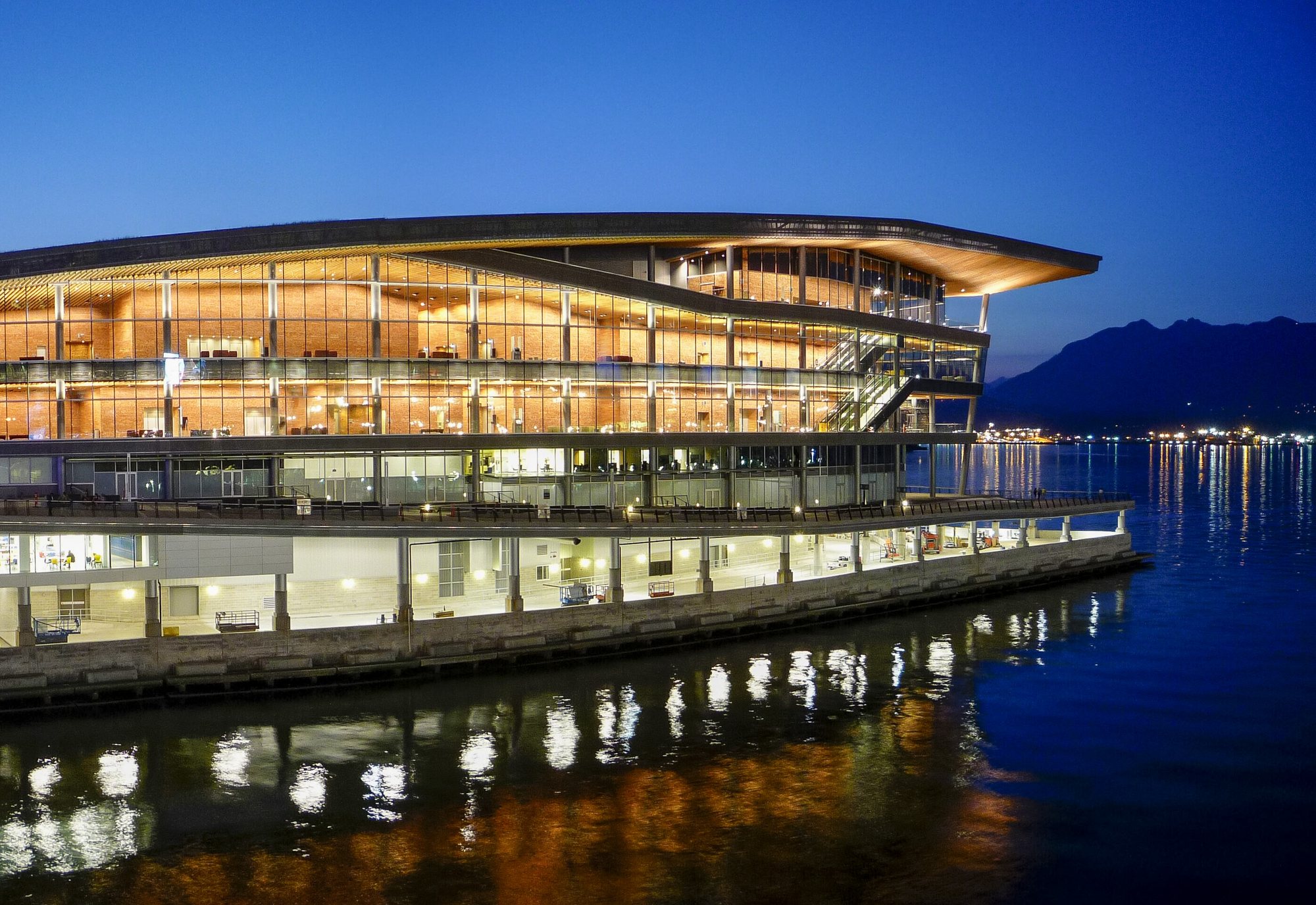
The missing link in the 40-year time span between Expo 86 and the FIFA World Cup would certainly be the 2010 Winter Olympics. The undeniable success of those Games certainly seemed to give confidence that the city could successfully stage a global event.
Though there were naysayers about the Winter Olympics, too. How many of us remember watercooler conversations from those who swore they would get out of the city for it? That there would be a nightmare of security and traffic issues, and too many problems accommodating so many visitors— all of which were certainly well forgotten by the Canadian Men’s Hockey gold medal win in overtime. We didn’t even look twice when the city saw the bill for the whole thing and costs were examined. Like a hungover partier looking at his credit card receipt the following morning, we shrugged and just accepted it as the cost of a good night out.
So, what’s in Vancouver’s future? What will be the next global event that we can’t perhaps even imagine today, that might benchmark the next 40 years?
Could it be the Major League Baseball franchise teased in this election year? Might we see a new stadium somewhere in the Lower Mainland to go with it? Could Vancouver display its versatility and host another Olympics? It’s been done before—Beijing emceed both the 2008 Summer Olympics and the Winter Games in 2022.
The costs are astounding, of course. The massive investments in infrastructure would be considerable at a time when ongoing issues of affordability, as well as financial stresses caused by certain global trade disputes, make it imprudent to dream so wildly. Well, there I go complaining—saying it can’t or shouldn’t happen. And we know which side of history those naysayers and complainers from decades ago—who swore Vancouver should never aspire to such heights—now fall on.
The show isn’t over yet. Bring on the next 40 years. T
—Aaron Chapman is a historian, author of seven books on Vancouver and a two-time BC Book Prize winner. In 2020, he was elected to the Royal Historical Society. He lives in False Creek. aaronchapman.net.